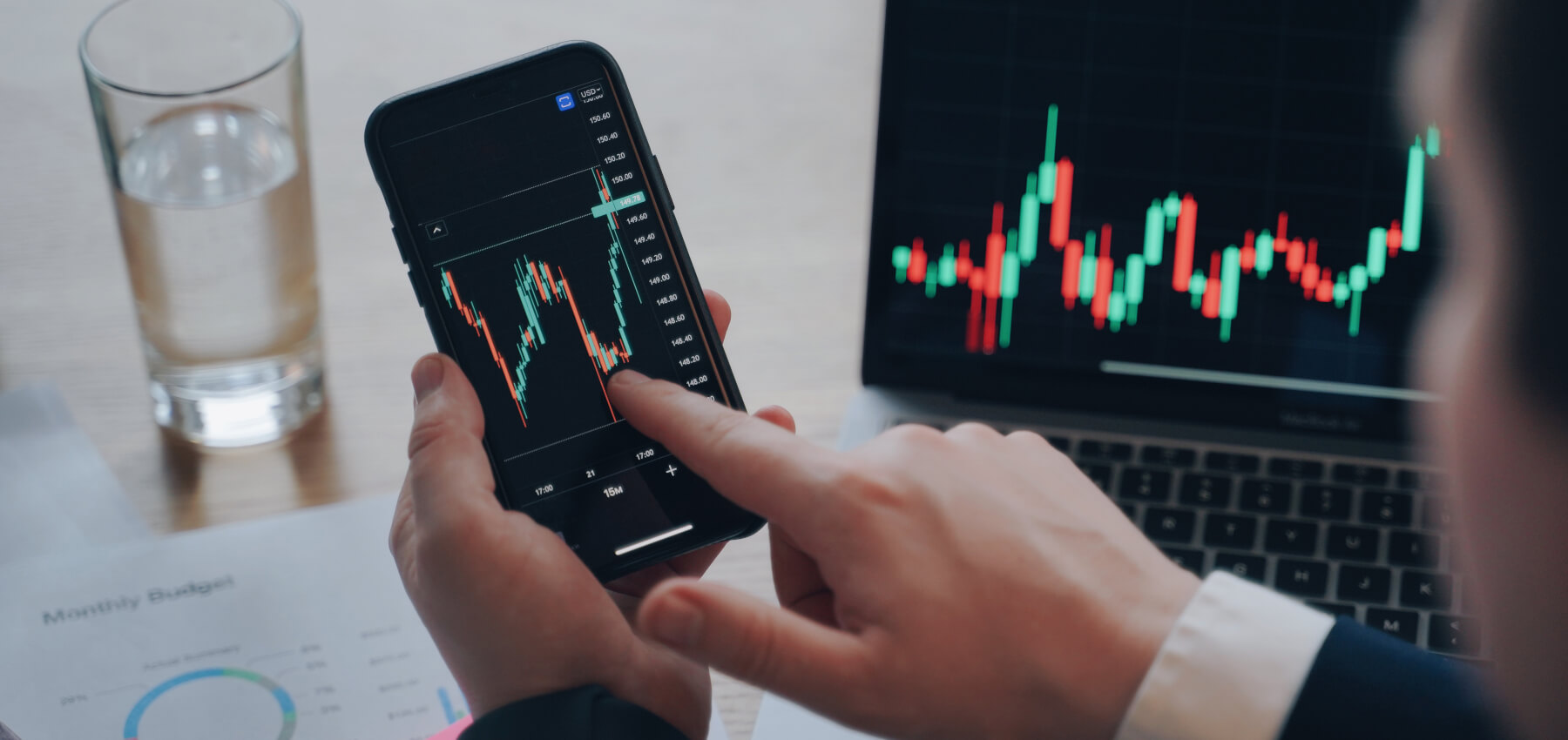
In the fast-paced world of financial markets, investors are constantly trying to stay one step ahead. Market behavior after major news events can be volatile, unpredictable, and emotionally driven. However, by understanding key analytical strategies and blending them with disciplined risk management, traders can better anticipate how markets might react. From interpreting economic reports to mastering the timing of your trades, there are several secrets that savvy investors use to make sense of the chaos.
Understanding Market Sentiment
Market sentiment is one of the foundational elements in predicting post-news behavior. Sentiment refers to the overall attitude of traders toward a particular market or asset—whether they are bullish or bearish. Events like central bank announcements, employment reports, or geopolitical developments can shift sentiment rapidly. For example, an unexpected interest rate cut might trigger elation in equity markets, while rising unemployment numbers could spark fear and selling pressure.
Technical indicators such as the Relative Strength Index (RSI) and moving averages can help identify whether a market is overbought or oversold, offering clues about potential reversals or continuations. These tools don’t predict price direction on their own but provide context to the emotional response seen in price action. By combining sentiment analysis with technical indicators, traders can make more informed decisions about when to enter or exit positions.
The Role of Fundamental Analysis
Fundamental analysis focuses on the economic factors that influence the intrinsic value of an asset. After major news, fundamentals often dictate long-term trends. For instance, corporate earnings reports provide insights into a company’s profitability and future prospects, while inflation data can affect currency valuations and bond yields. Skilled traders don’t just react to the headlines—they dig deeper into the underlying data.
One resource that many market participants use to stay informed is https://dailynewstrading.com/. This site aggregates key financial news and provides analytical angles that help traders interpret how various events might influence market dynamics. Integrating such resources into your analysis routine can improve your ability to anticipate reactions rather than simply respond to them.
Timing Is Everything
Predicting market behavior isn’t just about knowing what might happen—it’s also about knowing when. Markets may react immediately to breaking news, but often there are delayed effects as information is digested by different types of market participants. High-frequency traders might act within microseconds, while institutional investors could take hours or even days to adjust their positions.
One effective strategy is to monitor pre-market or after-hours trading sessions. These extended hours can give clues about how markets might open following overnight news. However, liquidity is typically lower in these sessions, which can exaggerate price movements and create false signals. A disciplined approach, combined with a clear understanding of trading session dynamics, can reduce the risk of misinterpreting early reactions.
Daily news trading as a Strategy
Daily news trading is an approach where traders focus specifically on exploiting short-term price movements driven by economic releases and news headlines. Practitioners of this strategy must be highly adaptive, often setting up news calendars and alerts to stay ahead of scheduled events. Successful Daily news trading requires precision, risk management, and a plan for unexpected outcomes.
This strategy isn’t for everyone. The rapid pace and potential for whipsaw price action mean that traders must be comfortable with higher levels of risk—and ready to cut losses quickly if the market moves against them.
Risk Management and Emotional Discipline
Even the best prediction models fail sometimes. That’s why effective risk management is crucial. Setting stop-loss orders, diversifying your portfolio, and only risking a small percentage of your capital on any single trade can protect you from catastrophic losses. After major news events, volatility spikes can trigger stop-losses prematurely, so traders need to balance protection with flexibility.
Emotional discipline goes hand in hand with risk management. Fear and greed are powerful forces that can cloud judgment and lead to impulsive decisions. Traders who stick to their predefined plans and resist the urge to chase headlines often perform better in the long run. Journaling trades and reviewing past performance can help reinforce disciplined behavior and improve future strategies.
Combining Tools for Better Predictions
No single tool or method provides a perfect prediction of market behavior. Savvy traders combine fundamental analysis, technical indicators, sentiment data, and news-driven strategies to create a comprehensive view. Backtesting strategies against historical data can reveal how markets have reacted to similar news events in the past, offering valuable insights into potential future behavior.
By continuously learning and adapting your approach, you improve your ability to interpret complex market signals. Over time, this multifaceted approach can turn the chaos of post-news volatility into profitable opportunities.
By mastering these secrets—understanding sentiment, analyzing fundamentals, timing your trades, managing risk, and maintaining emotional discipline—you can better navigate the unpredictable world of markets after major news events.